October 14, 2026
Navigating an unexpected roadside emergency requires clear communication, composure, and thorough preparation to secure prompt assistance. A vehicular breakdown on a congested highway or remote road can quickly induce stress, but asking targeted questions allows drivers to manage the situation effectively and safeguard their personal safety. Gathering critical details upfront enables motor vehicle owners to prevent costly misunderstandings, protect their valuable physical property, and streamline what would otherwise be a chaotic and unpredictable experience on the side of a busy highway. Taking control of the situation through active inquiry transforms an urgent roadside crisis into a structured, manageable process with predictable, satisfactory results.
The modern roadside assistance landscape presents a vast selection of service providers, making informed decision-making essential for long-term vehicle preservation and financial protection. Drivers who take a deliberate, proactive approach can easily distinguish highly qualified, fully insured transport teams from ill-equipped or predatory operators. By prioritizing open dialogue regarding specific vehicle needs, exact physical locations, safety protocols, and clear pricing structures, car owners ensure that their transport experience remains efficient, transparent, and completely free of unexpected complications, inflated rates, or hidden expenses.
It's worth noting that, according to AgentZap, almost 90% of towing customers call only one company before making a decision. This statistic underscores the importance of asking key questions early in the process. When an unexpected breakdown occurs, having a comprehensive checklist of essential questions ready ensures that the single call made leads directly to professional, prompt, and accurate assistance.
Navigating Vehicle Needs and Logistics
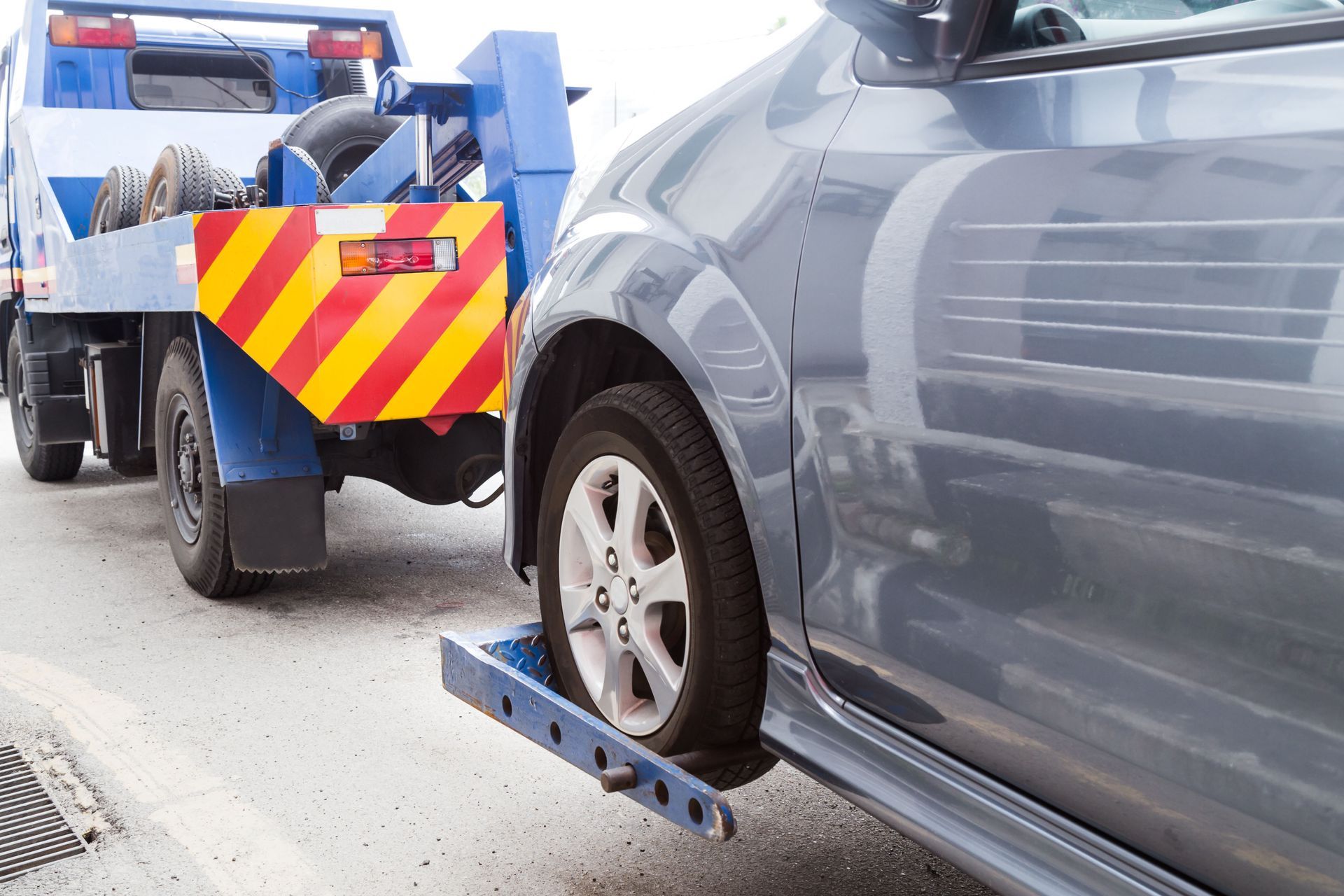
Understanding the exact physical requirements of a stranded vehicle is the absolute first step when making service arrangements with a customer service dispatcher. Operators must know the precise make, model, drive configuration, and current operational state of the automobile to send the appropriate recovery equipment directly to the scene. Communicating whether a car features exceptionally low ground clearance, custom aftermarket modifications, or completely locked wheels allows dispatchers to select a specialized flatbed deck rather than a standard wheel-lift setup, thereby preventing severe structural damage to the undercarriage, exhaust systems, and lower suspension components.
Accurately communicating exact location details, roadway hazards, traffic volume, and total transport distance is equally vital for a successful service outcome. Distances directly affect operational logistics, route planning, driver availability, and potential transit times, especially during peak rush hours, major holiday travel periods, or severe regional weather events. Informing the dispatcher whether the final destination is a local neighborhood repair shop or an out-of-town dealership helps establish accurate expectations for everyone involved. Dispatching a tow truck with the correct load capacity and specialized specifications from the start eliminates unnecessary delays, avoids secondary dispatch calls, and ensures a smooth, seamless experience for the vehicle owner.
Assessing Financial Charges and Pricing Structure
Clarifying the overall financial investment before authorizing service protects vehicle owners from unexpected expenditures and sudden billing discrepancies. Requesting a detailed, itemized breakdown of base hookup fees, per-mile transport rates, fuel surcharges, and potential recovery fees ensures complete financial clarity from the outset. Asking about specific line items, such as winch-out costs, winch line extensions, or extra labor fees, helps drivers compare overall expenses accurately and evaluate whether the quoted figure fits comfortably within their immediate personal budget.
Inquiring about potential hidden fees, after-hours surcharges, weekend rates, holiday operational pricing, and accepted payment methods further eliminates mid-service friction. Some roadside service providers apply significant premium charges for late-night callouts, severe weather responses, or difficult off-road retrievals. Verifying upfront pricing models and confirming whether payment must be made via major credit card, cash, or direct auto insurance coverage ensures a smooth transaction once the final destination is reached, preventing awkward last-minute complications. Ensuring the company dispatches an appropriate tow truck for the quoted price guarantees transparent value without surprise expenses.
Evaluating Timing and Operational Availability
Establishing precise estimated times of arrival helps stranded drivers maintain composure and control during a high-stress roadside situation. Asking dispatchers for realistic timeframes allows individuals to plan their personal schedule, contact family members, or inform repair facilities of upcoming vehicle arrivals. Understanding how arrival updates are communicated, whether through automated SMS text notifications, direct phone calls from the driver, or real-time location tracking links, provides ongoing peace of mind while waiting safely inside or near the disabled vehicle.
Determining whether a service provider maintains true round-the-clock availability ensures long-term reliability for future unexpected roadside emergencies. Vehicular failures rarely happen at convenient hours, making continuous operational availability a major factor when choosing a primary roadside assistance partner. Knowing potential delay factors, such as regional traffic congestion, active construction zones, or widespread storm conditions, empowers drivers to make realistic decisions about their immediate personal safety and comfort. Utilizing a reliable tow truck service during late-night breakdowns offers essential security when alternative transportation options are otherwise limited.
Verifying Operator Qualifications and Equipment Quality
Checking the operational background, industry credentials, state licensing, and active commercial insurance coverage of a roadside company guarantees qualified, professional care. Legitimate operations proudly display licensing details and maintain comprehensive commercial liability and garagekeeper's coverage to protect client property against unexpected damage during transit. Verifying that field technicians have undergone formal training and certification in specialized recovery methods reduces the risk of accidental harm to aluminum wheels, delicate suspension arms, or painted body panels.
Inquiring about equipment standards, machinery age, fleet maintenance schedules, and inspection practices further ensures safe transit for any automobile. Well-maintained machinery minimizes the risk of secondary mechanical breakdowns occurring midway through a transport job, which could leave a customer's vehicle stranded twice in one day. Confirming that a dispatch service dispatches a modern tow truck equipped with up-to-date rigging hardware, high-strength synthetic winch lines, and protective wheel-strapping systems gives vehicle owners complete confidence in the safety, diligence, and professionalism of the operation.
Confirming Safety Protocols and Customer Support
Investigating formal safety procedures and contingency plans demonstrates a service provider's commitment to protecting both passengers and vehicles under challenging conditions. Reputable dispatch services strictly adhere to federal and state highway safety guidelines, utilizing high-visibility LED lighting, proper four-point tie-down straps, and heavy-duty safety chains during every transport job. Asking how an operator handles hazardous environments, such as narrow highway shoulders, steep mountain inclines, or heavily congested urban intersections, ensures that safety remains the absolute top priority throughout the recovery process.
Evaluating customer support standards, communication channels, and dispute resolution policies ensures a positive overall experience from initial contact to final vehicle delivery. Dedicated support teams, transparent operational guidelines, clear receipts, and formal service guarantees indicate a truly customer-centric business approach. Entrusting a vehicle to a professional team operating a secure tow truck guarantees that any unexpected complications will be handled professionally, equitably, and without unnecessary friction, delay, or added stress.
Ordering Professional Support Today
Proactively asking critical questions when arranging roadside assistance ensures safe, transparent, and highly efficient transport for any vehicle. Gathering specific details regarding overall costs, arrival timelines, technician certifications, and safety standards converts a stressful mechanical failure into a manageable, routine event. Taking a few moments to verify credentials and operational capabilities safeguards both personal finances and valuable vehicular assets against unexpected damage or hidden fees.
When faced with an unexpected vehicle breakdown or urgent roadside emergency, securing dependable, professional service is essential for complete peace of mind. Turn to the experienced team at Dale's Tow Service for immediate, reliable, and high-quality assistance tailored to your exact situational needs. Contact us today to schedule service or dispatch a fully equipped
tow truck directly to your location without hassle or delay.