November 20, 2026
Family road trips offer changing scenery, shared experiences, and time away from familiar routines. They also expose vehicles and passengers to unfamiliar highways, long distances between towns, and unpredictable conditions. A mechanical problem that seems manageable near home can become complicated when children are tired, traffic is heavy, or cellular reception disappears. Planning for interruptions helps families make safer decisions without letting an unexpected delay define the entire trip.
Reliable roadside assistance is one part of that preparation, alongside vehicle maintenance, travel documents, and realistic scheduling. Families benefit from understanding what support is available and how to communicate their needs when a breakdown occurs. Five areas deserve particular attention before and during a long journey.
Preparing for Unexpected Vehicle Trouble
Reviewing Vehicle Readiness
Professional maintenance before departure can reveal concerns involving tires, brakes, fluids, and electrical systems. Highway travel may place different demands on a vehicle than short daily commutes. Addressing known problems beforehand reduces avoidable interruptions and gives drivers greater confidence when traveling far from familiar repair facilities.
Confirming Coverage Details
Insurance policies, vehicle warranties, and membership programs may include different levels of travel support. Towing limits, geographic restrictions, and potential charges vary. Families should understand these differences before requesting roadside assistance, particularly when driving a rental, borrowed vehicle, or car carrying a trailer.
Planning Remote Stretches
Scenic highways sometimes offer few fuel stations, repair facilities, or reliable cellular signals. Reviewing the route beforehand helps families anticipate longer stretches without services. Reasonable travel buffers and accessible route information can reduce pressure to continue driving when conditions become difficult or a vehicle begins behaving unexpectedly.
Organizing Important Contacts
Vehicle registration, insurance information, emergency contacts, and travel reservations should be easy to locate. A written backup is useful if a phone battery dies. Agreeing on which adult will communicate with a dispatcher also prevents confusion when passengers are anxious, and several people are trying to solve the same problem.
Recognizing Warning Signs During Travel
Noticing Dashboard Alerts
Dashboard warnings vary in urgency. Some indicate routine maintenance needs, while others signal conditions requiring prompt attention. Drivers should take unfamiliar alerts seriously and consult vehicle guidance when safe. Continuing simply to preserve an itinerary can worsen mechanical damage and create unnecessary risks for everyone aboard.
Responding to Tire Problems
A sudden loss of tire pressure can change steering and handling, particularly at highway speeds. Reaching a safer stopping location takes priority over making it to a preferred exit. If the surroundings make a tire change hazardous, professional help is preferable to exposing passengers to traffic.
Identifying Starting Difficulties
A weak battery may become apparent when the engine fails to restart after a meal or sightseeing stop. Similar symptoms can result from other electrical faults. Describing the circumstances accurately helps roadside assistance providers determine whether basic starting support is appropriate or further mechanical evaluation may be needed.
Taking Unusual Noises Seriously
Grinding, knocking, or sudden changes in vehicle performance deserve attention, even when no warning light appears. A sound that grows louder or accompanies unusual vibration should not be dismissed. Families are better served by obtaining a professional assessment than by guessing whether a problem will resolve itself.
Keeping Passengers Safe During Delays
Choosing Safer Stopping Locations
When a vehicle begins malfunctioning, the immediate concern is finding a location away from moving traffic when circumstances allow. A parking area or designated rest stop generally offers more room than a narrow shoulder. If the vehicle cannot reach a safer location, emergency authorities may need to assist.
Managing Exposure to Traffic
Busy roads pose serious risks to people standing beside disabled vehicles. Whether passengers should remain inside depends on traffic, vehicle position, weather, and immediate hazards. Families should follow directions from emergency personnel and avoid exposing children to passing traffic while waiting for help.
Supporting Children During Waits
Unexpected delays can unsettle younger travelers, especially after hours in the car. Simple explanations, familiar comfort items, and calm communication help reduce anxiety. Adults should monitor passenger comfort and share relevant needs with roadside assistance dispatchers, including whether anyone requires urgent accommodations or additional support.
Accounting for Severe Weather
Extreme temperatures, heavy rain, snow, or poor visibility can make an ordinary breakdown more dangerous. A routine service request may not be sufficient if passengers face immediate exposure or medical risks. Explaining these conditions clearly helps determine whether emergency response or alternative shelter is the safer choice.
Coordinating Professional Support Efficiently
Describing the Vehicle Accurately
Dispatchers benefit from the vehicle's make, model, color, and identifying details. Trailers, unusual dimensions, and collision damage can affect equipment selection. Clear descriptions help responders locate the correct vehicle, especially at crowded rest areas or along highways where several motorists have stopped.
Explaining the Problem Clearly
A brief description of what happened helps distinguish a dead battery from a tire issue or a problem requiring towing. Mentioning smoke, leaking fluids, or visible damage also alerts responders to possible hazards. Accurate details allow roadside assistance teams to plan an appropriate response without relying on assumptions.
Confirming the Exact Location
Exit numbers, mile markers, nearby businesses, and travel direction can be more useful than a general road name. Digital location sharing may help when service is available. Families should confirm the meeting point with dispatchers, particularly on divided highways where reaching the opposite shoulder is difficult.
Discussing Passenger Transportation
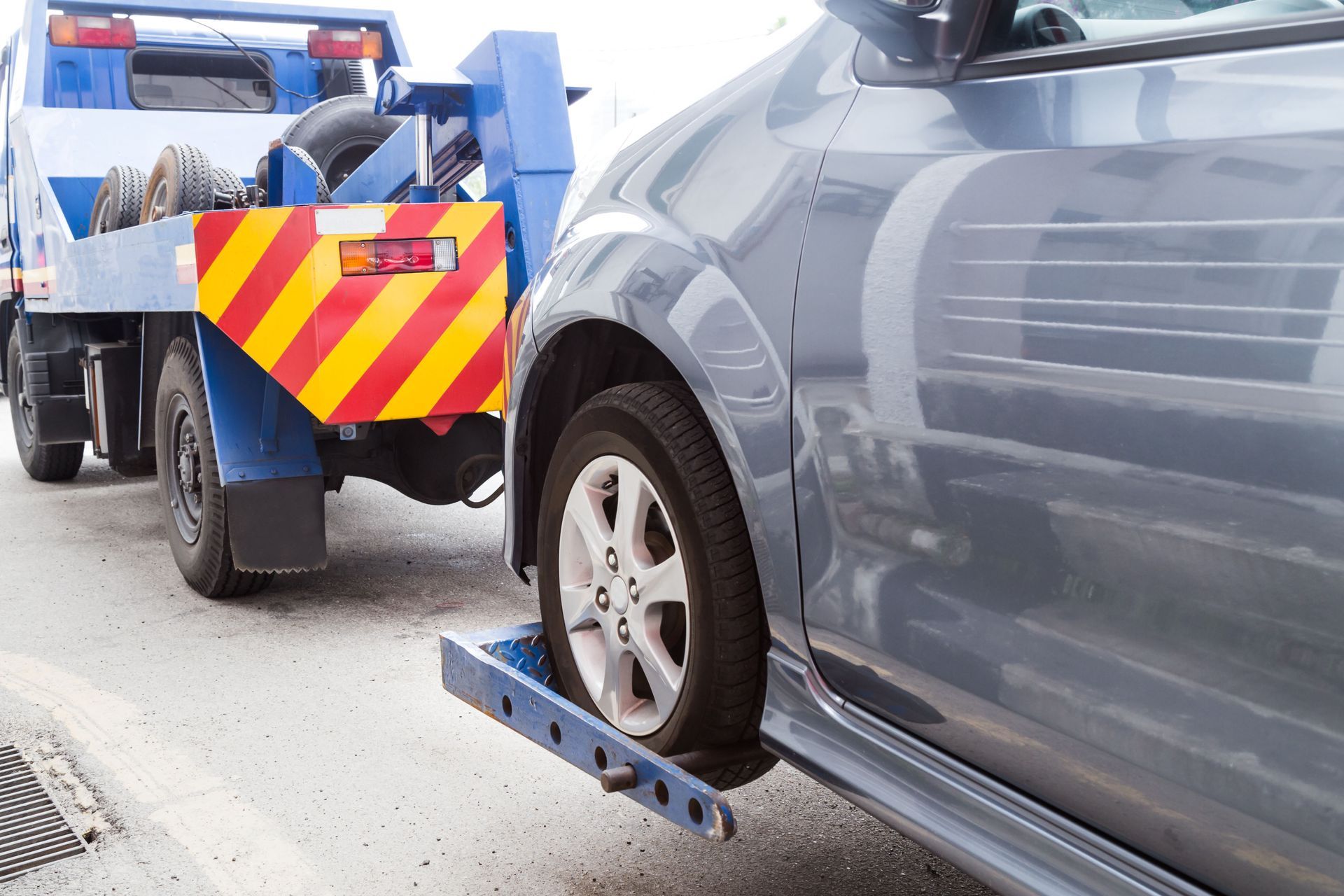
If towing is necessary, a service vehicle may not have enough seats for the entire family. Passenger arrangements deserve attention before the tow arrives, especially when children need appropriate restraints. Asking about available options early helps prevent a second transportation problem after the disabled vehicle is loaded.
Protecting the Remaining Travel Plans
Allowing Room for Delays
Rigid schedules can tempt drivers to ignore warning signs or rush after a breakdown. Flexible arrival times and realistic rest stops make it easier to prioritize safety. A missed attraction or later hotel check-in is less consequential than continuing in a vehicle that may not be roadworthy. Knowing how to request roadside assistance can also reduce pressure when plans suddenly change.
Understanding Common Service Demand
According to Gitnux, drivers ages 25 through 44 account for 45% of roadside assistance users in the United States, the largest reported age group for services that include towing. That statistic illustrates the relevance of breakdown planning to many working-age travelers, although it cannot predict any family's individual risk.
Keeping Travel Companions Updated
Once a response is arranged, family members can share confirmed information with accommodations, relatives, or others traveling in separate vehicles. Updates should distinguish an estimated arrival from a guaranteed one. Clear communication reduces uncertainty and allows everyone to adjust plans without repeated calls or conflicting assumptions.
Confirming Vehicle Readiness
Some roadside problems can be resolved at the scene, while others require repairs at a qualified facility. Before resuming a long drive, families should understand whether the vehicle is safe to operate and whether further inspection is recommended. A delayed departure is preferable to repeating the same breakdown farther from help.
Successful family travel depends less on following a perfect itinerary than on making sound decisions when conditions change. Preparing for mechanical trouble, protecting passengers, and communicating with responders can turn a difficult interruption into a manageable one. If your family needs roadside assistance during a trip, contact Dale's Tow Service to discuss the situation and arrange appropriate professional support. Keeping everyone safe should always come before reaching the next destination on schedule.